

Discover Natural Medicines for Inflammation Relief
Inflammation is a natural part of the body's defense system, but when it lingers, it can lead to health challenges. According to Yale Medicine, chronic inflammation is linked to various conditions, such as heart disease and arthritis. Understanding and managing inflammation is key to optimizing health.
Natural medicines offer a research-backed approach to managing inflammation, minimizing the side effects often seen with conventional treatments. These remedies can be integral to a holistic health strategy, focusing on reducing inflammation naturally.
In this article, we'll cover:
- The nature and impact of inflammation on the body
- Leading natural medicines and herbs with anti-inflammatory properties
- Supplements that support inflammation reduction
- Foods that naturally combat inflammation
Understanding Inflammation and Its Impact
Inflammation is the body's response to injury or infection, marked by redness, swelling, and discomfort. While short-term inflammation is beneficial, persistent inflammation can harm health.
Effectively managing inflammation is crucial for overall wellness. Chronic inflammation can contribute to health issues like heart disease and autoimmune disorders. As highlighted by Yale Medicine, understanding inflammation's role is vital to addressing these issues effectively.
Top Natural Medicines and Herbs for Inflammation
Utilizing natural plants and herbs known for their anti-inflammatory effects can be a powerful way to manage inflammation. Here are some of the most effective natural options:
- Turmeric: With curcumin as its active component, turmeric is renowned for its strong anti-inflammatory effects, helping to reduce swelling and pain.
- Ginger: A well-known culinary spice, ginger also serves as a potent anti-inflammatory agent, easing symptoms of arthritis and other inflammatory conditions.
- Green Tea: Rich in antioxidants, green tea's polyphenols help manage inflammation and support overall health.
- Willow Bark: Known as nature's pain reliever, willow bark has been used for centuries to alleviate pain and reduce inflammation.
- Boswellia: Also called Indian frankincense, boswellia is traditionally used to address chronic inflammation.
These herbs and compounds are supported by both scientific research and traditional practices, offering a natural method to manage inflammation. For more detailed scientific context, refer to this study on natural anti-inflammatory agents and traditional uses of medicinal plants.
Supplements for Anti-Inflammatory Benefits
Supplements can play a significant role in reducing inflammation. They provide concentrated sources of anti-inflammatory compounds that complement a healthy lifestyle. Consider these supplements:
- Omega-3 Fatty Acids: Found in fish oil, omega-3s are essential fats that help reduce inflammation and support heart health.
- Curcumin Supplements: While turmeric is beneficial, curcumin supplements offer a concentrated dose for enhanced effects.
- Resveratrol: Present in red wine and grapes, resveratrol provides anti-inflammatory and antioxidant benefits.
- Spirulina: This nutrient-rich blue-green algae has been shown to reduce inflammation and boost immune function.
- Vitamin D: Essential for bone health, vitamin D also supports the immune system and reduces inflammation.
Incorporating these supplements into your routine can help manage inflammation and enhance overall wellness. Always consult with a healthcare provider before starting any new supplement regimen to ensure it aligns with your health needs.
Foods That Help Fight Inflammation
Including certain foods in your diet can naturally reduce inflammation. These foods are not only nutritious but also beneficial for health. Consider adding these inflammation-fighting foods:
- Fatty Fish: Rich in omega-3 fatty acids, fish like salmon, mackerel, and sardines are known for their anti-inflammatory properties.
- Leafy Greens: Vegetables such as spinach, kale, and collards are high in antioxidants and polyphenols that combat inflammation.
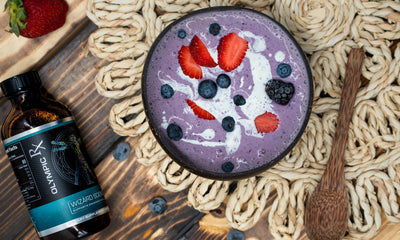
- Berries: Blueberries, strawberries, and raspberries contain flavonoids that reduce inflammation.
- Nuts: Almonds and walnuts are great sources of healthy fats and antioxidants that can help lower inflammation.
- Olive Oil: Extra virgin olive oil is rich in monounsaturated fats and antioxidants, making it a great pick for lowering inflammation.
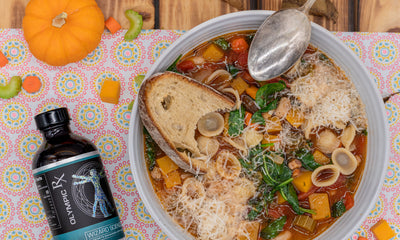
- Tomatoes: Full of vitamin C and lycopene, tomatoes can lower inflammation in the body.
To maximize the benefits of these foods, try incorporating them into your daily meals. For example, add berries to your morning oatmeal, use olive oil in your salad dressings, or enjoy a handful of nuts as a snack.
Summary and Next Steps
Managing inflammation is key to maintaining health and well-being. We've explored various natural medicines and foods that can help reduce inflammation, from fatty fish and leafy greens to supplements and herbs. By integrating these elements into your lifestyle, you can support your body's natural ability to manage inflammation.
If you're interested in exploring more natural options for managing inflammation, consider visiting Wizard Sciences. They offer a range of products, such as Neural Rx and Olympic Rx, designed to enhance health and performance. These products can be part of a comprehensive approach to improving your well-being.
Remember, incorporating these inflammation-fighting foods and supplements into your routine can make a significant difference over time.