

Best Foods to Fight Inflammation: Top Diet Tips & Food List
Inflammation is a natural defense mechanism that helps your body heal. However, when it becomes chronic, it can lead to health issues like heart disease, diabetes, and arthritis. Understanding the impact of inflammation on your health is essential for maintaining overall wellness. According to Yale Medicine, managing inflammation is crucial for your body's ability to fend off diseases and function optimally.
A powerful way to manage inflammation is through your diet. Selecting the right foods can help reduce inflammation and boost your health, enhancing your quality of life. For more detailed insights, visit our blog on anti-inflammatory foods for peak performance.
Understanding Anti-Inflammatory Rich Foods
Anti-inflammatory foods are packed with nutrients that help reduce inflammation. They are rich in antioxidants, omega-3 fatty acids, and other compounds that combat inflammation. Antioxidants, for instance, neutralize free radicals, molecules that can damage cells and trigger inflammation.
Key features of anti-inflammatory foods include:
- High levels of omega-3 fatty acids, found in fatty fish and flaxseeds
- Abundance of antioxidants, present in berries, nuts, and leafy greens
- Low in processed sugars and refined carbs
Research, such as the Overview of anti-inflammatory diets, highlights the benefits of these foods in reducing inflammation. Including them in your diet can be a strategic way to manage inflammation and improve your health.
Creating Your Low Inflammation Food List
Building a low inflammation food list can guide your meal planning. Here's a list to help you get started:
- Fruits: Berries, oranges, cherries, apples
- Vegetables: Leafy greens, broccoli, bell peppers
- Whole Grains: Brown rice, quinoa, oats
- Healthy Fats: Avocados, nuts, seeds
- Lean Proteins: Chicken, turkey, tofu
- Herbs and Spices: Turmeric, ginger, garlic
Here are some meal planning tips:
- Include a variety of foods from the list in each meal.
- Focus on whole, unprocessed foods for maximum benefit.
- Explore different herbs and spices for flavor without extra salt or sugar.
By choosing foods from this list, you can create a balanced diet that supports inflammation reduction and overall health.
Anti-Inflammatory Diet Tips
Following an anti-inflammatory diet can help you stay healthy. Here's how to incorporate inflammation-reducing foods into your meals:
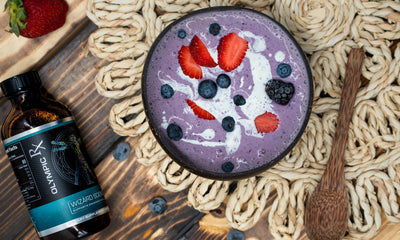
- Breakfast: Oatmeal with fresh berries and chia seeds. Berries are high in antioxidants.
- Lunch: Salad with spinach or kale and grilled salmon. These provide nutrients and omega-3s.
- Dinner: Quinoa with roasted vegetables like bell peppers and broccoli. Quinoa offers plant-based protein, and veggies are rich in antioxidants.
- Snacks: A handful of nuts or an apple with almond butter. Nuts offer healthy fats that help reduce inflammation.
Balance is key. Mix these anti-inflammatory foods throughout your day. For more tips on maintaining a balanced diet, see the Anti-Inflammation Lifestyle by Brigham and Women's Hospital.
Complementary Practices for Reducing Inflammation
Beyond diet, lifestyle practices can aid in managing inflammation. Consider these tips:
- Regular Exercise: Engage in activities like walking, cycling, or yoga.
- Stress Management: Use techniques like meditation or mindfulness to reduce stress.
- Adequate Sleep: Ensure restful sleep each night for recovery and a healthy immune system.
- Stay Hydrated: Drink plenty of water daily to keep your body functioning well.
For more practical tips, visit the Brigham and Women's Hospital resource. Combining these practices with a decrease inflammation diet can significantly enhance your body's ability to manage inflammation.
Conclusion and Next Steps
Incorporating the best foods to fight inflammation into your diet can greatly improve your health. By understanding and using anti-inflammatory rich foods, you can manage inflammation effectively. These foods, rich in antioxidants and omega-3 fatty acids, are not only tasty but also powerful allies in your health journey.
To start, refer back to our sections on creating a low inflammation food list and anti-inflammatory diet tips for meal planning and shopping guidance. Remember, a holistic approach is key. Pairing a decrease inflammation diet with regular exercise and stress management can amplify the benefits. For more insights, explore the Anti-Inflammation Lifestyle resources provided by Brigham and Women's Hospital.
At Wizard Sciences, we are dedicated to enhancing your cognitive and physical performance. Our products, like Neural Rx and Olympic Rx, are crafted to support your journey towards better health. These formulations aim to optimize brain function and athletic performance, aligning with the goal of reducing inflammation.
Take the next step towards a healthier lifestyle by exploring these foods and practices. Your body and mind will thank you.